We are privileged to live in an exceptionally beautiful and environmentally abundant part of the world. Yet the very existence of our wonderful community came at the expense of the environment that existed here for thousands of years until a mere 150 years ago. The giant cedars and Douglas firs that once graced our area now exist only as magnificant stumps like those in the forest of Confederation Park.
We are now in an area called the Anthropocene, a geological epoch dating from the commencement of significant human impact on earth’s geology and ecosystems. The Anthropocene is being cited as the 6th mass extinction, only this time it’s not an asteroid colliding with the earth that’s killing life on the planet, it’s us! We have destroyed habitat to build our cities, over-fished the oceans to feed people, razed entire ecosystems to create farmland and poisoned the insect world at an industrial pace.
A study in the Proceedings of the National Academy of Sciences estimated that since the dawn of human civilization, 83% of wild mammals have disappeared. Today, livestock makes up 60% of biomass of all mammals on earth, followed by humans (36%) and wild mammals (4%).
In the face of this rampant and accelerating assault on the natural world, protecting and promoting biodiversity is one of humankind’s greatest challenges. The impact of relentless human activity has extracted a tremendous toll on the natural world.
The anthropocentric mindset needs to be replaced with the idea that we share the earth with the non-human species, both plant and animal, and we need to consider them in our actions.
While we are blessed with many beautiful parks and some remaining natural habitat in Burnaby, much of the design of existing parks has been at the expense of biodiversity. Natural habitat has been destroyed and parks with large open grass areas have replaced rich and complex ecosystems. We believe a percentage of those grassed areas should be re-wilded to recreate habitat for the plants, insects, small mammals and birds.
As a lifelong avid birder, I have noticed the reduction of bird populations over the last 50 years. According to the Cornell Lab of Ornithology, throughout North America alone, there has been a cumulative loss of nearly three billion birds since 1970. That’s 29% fewer birds than 48 years ago. Our ability to destroy has been staggering. Take the Passenger Pigeon. It was once the most numerous bird on the planet, numbering in the billions. It was slaughtered into extinction. The prevailing ethos that caused that was the view that the earth was mankind’s dominion, to be exploited with impunity. So we have harvested, ploughed, logged, polluted, and over-populated our way to the current sad state of affairs.
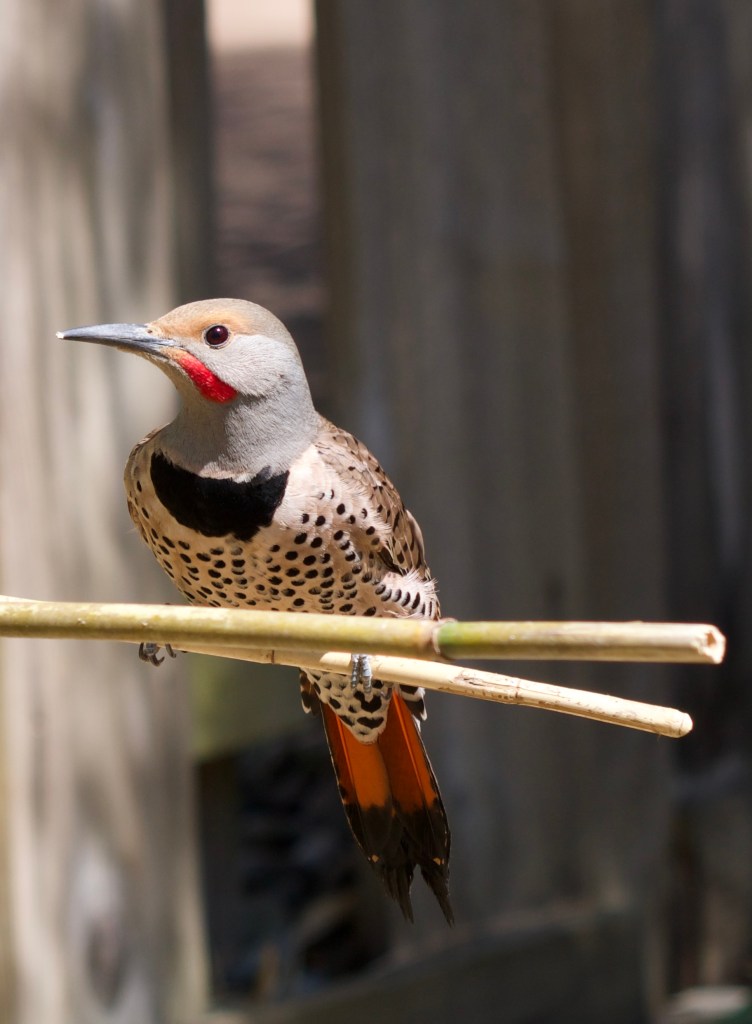
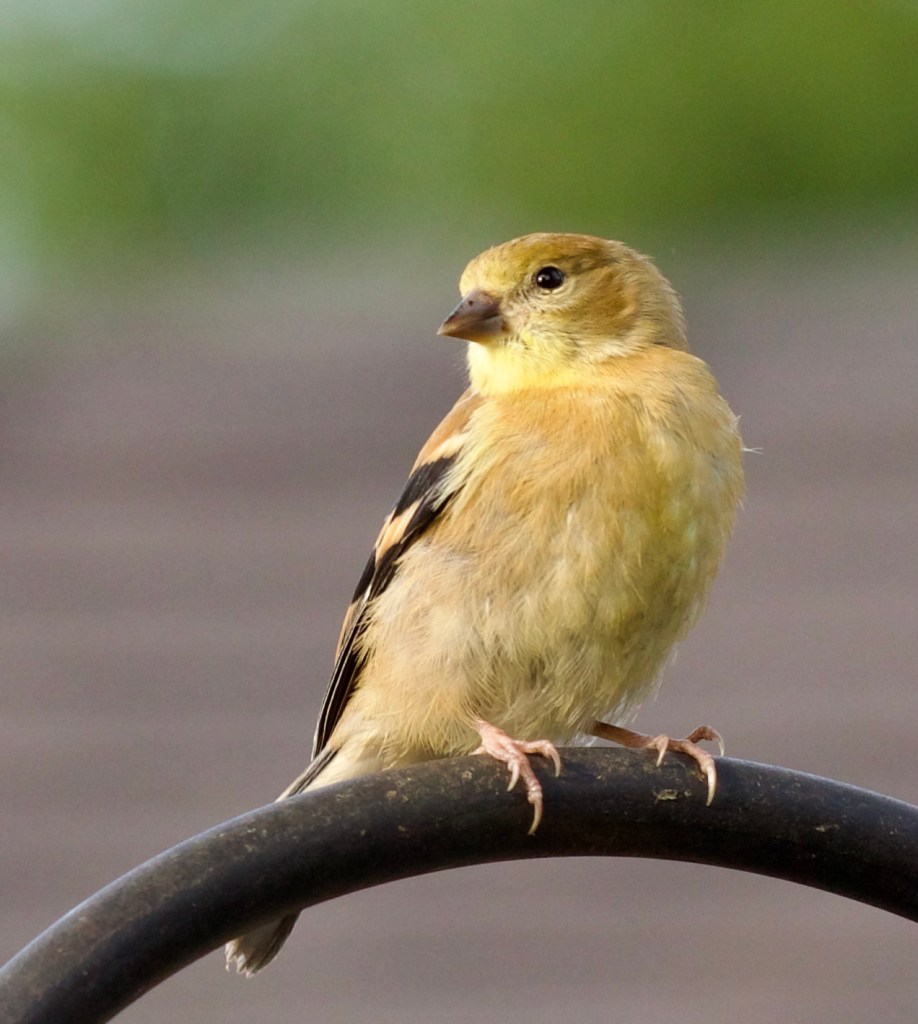
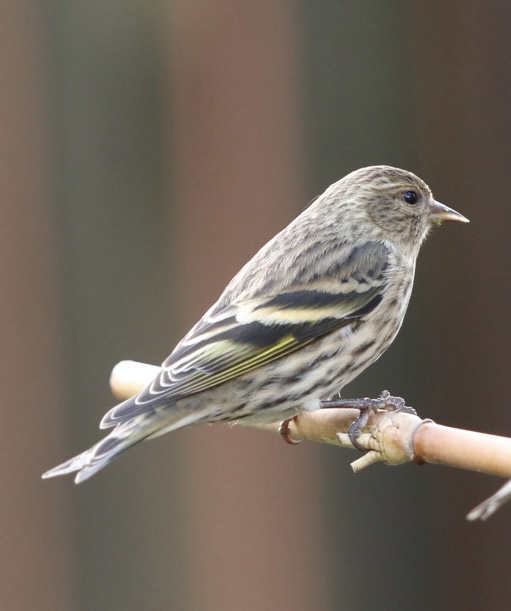
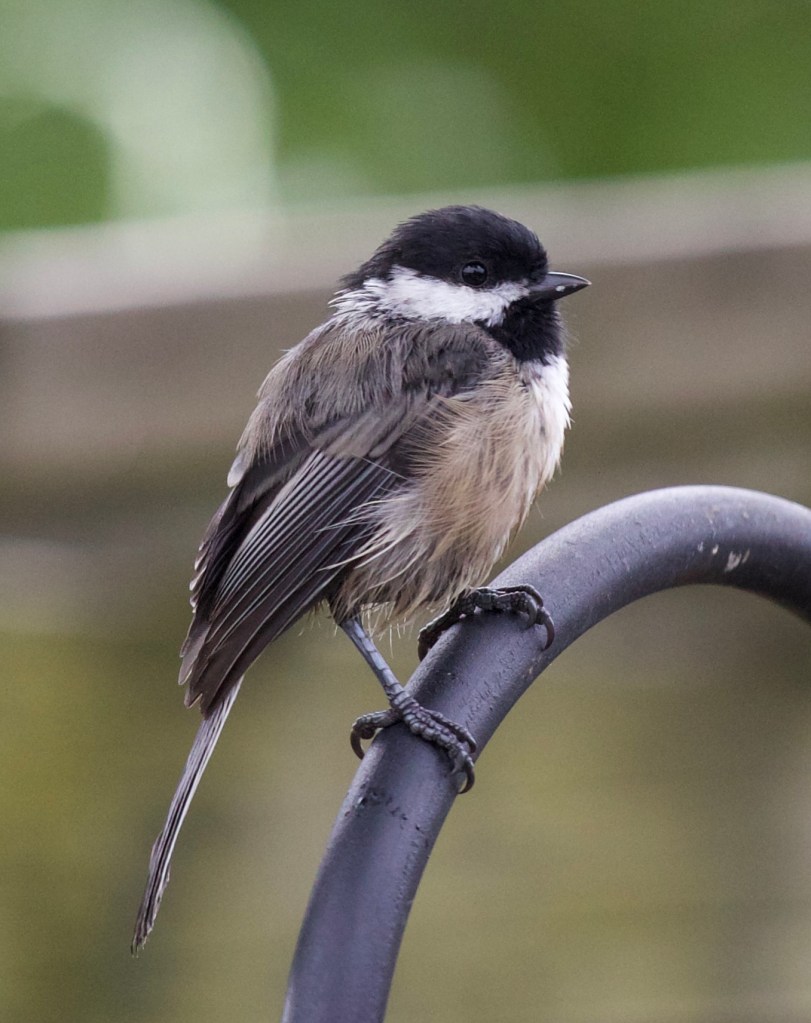
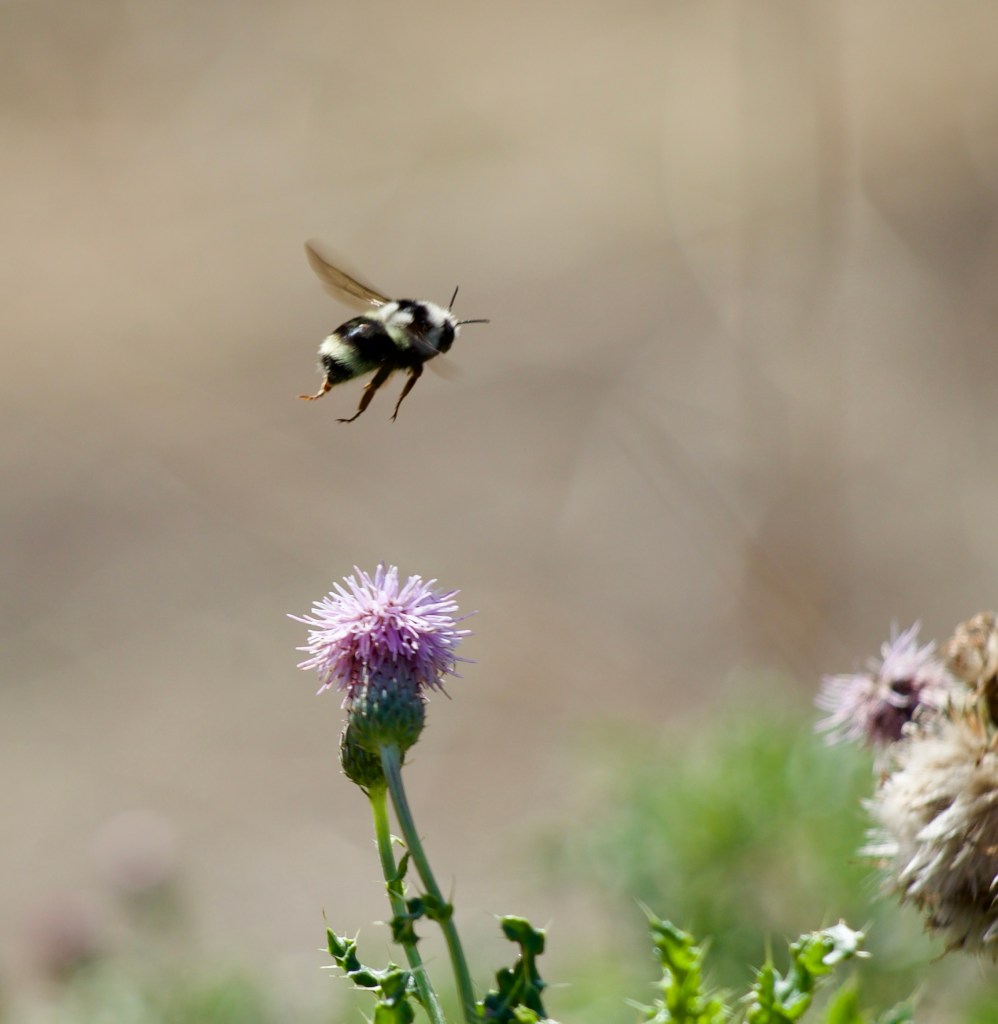
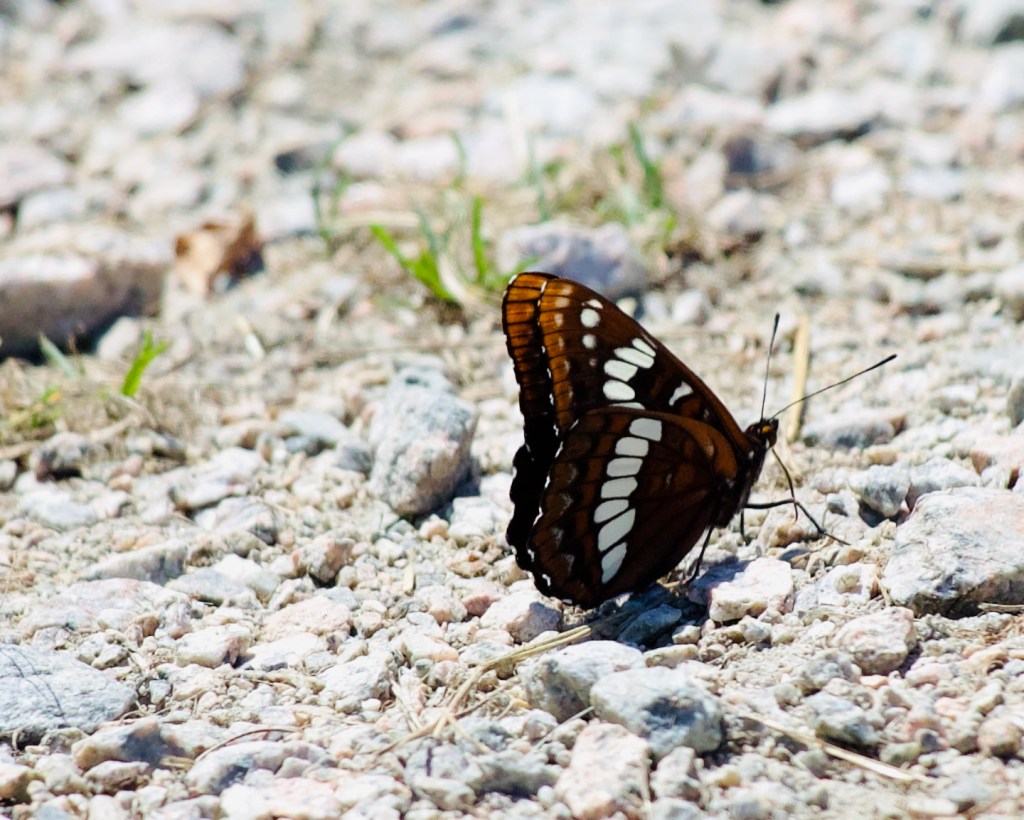
One of our immediate goals is to create a biodiversity park in our neighbourhood area of Burnaby Heights. Our idea is that this small area be planted to support birds, bees and butterflies. We believe that if people see this area become a home for those essential creatures, it will represent an inspiration to replace some of our lost habitat – a space that the community could enjoy while supporting crucial biodiversity.
We have canvassed many people in our community and received universal support for this idea.

 WILDSCAPING OUR NEIGHBOURHOOD SOCIETY