So, I was listening to CBC Radio yesterday and they interviewed the renowned wildlife artist, Robert Bateman on his 94th birthday. He was talking about paying attention to what was happening in your environment. Look at the birds, observe the seasons and it will enrich your life. I have found this to be the case in my life. So, I set up an observational experiment using the Merlin app on my iPhone. It can identify birds by their songs, so it’s really useful at this time of year when we have many migratory birds coming through. There’s one observational nugget. At this time of year, you will encounter many birds that don’t live here year round. They come to your region on the way to somewhere else or they come here to nest, raise their young and then leave again in the fall. The natural world is not bound by borders and politics, but by seasons and habitat.
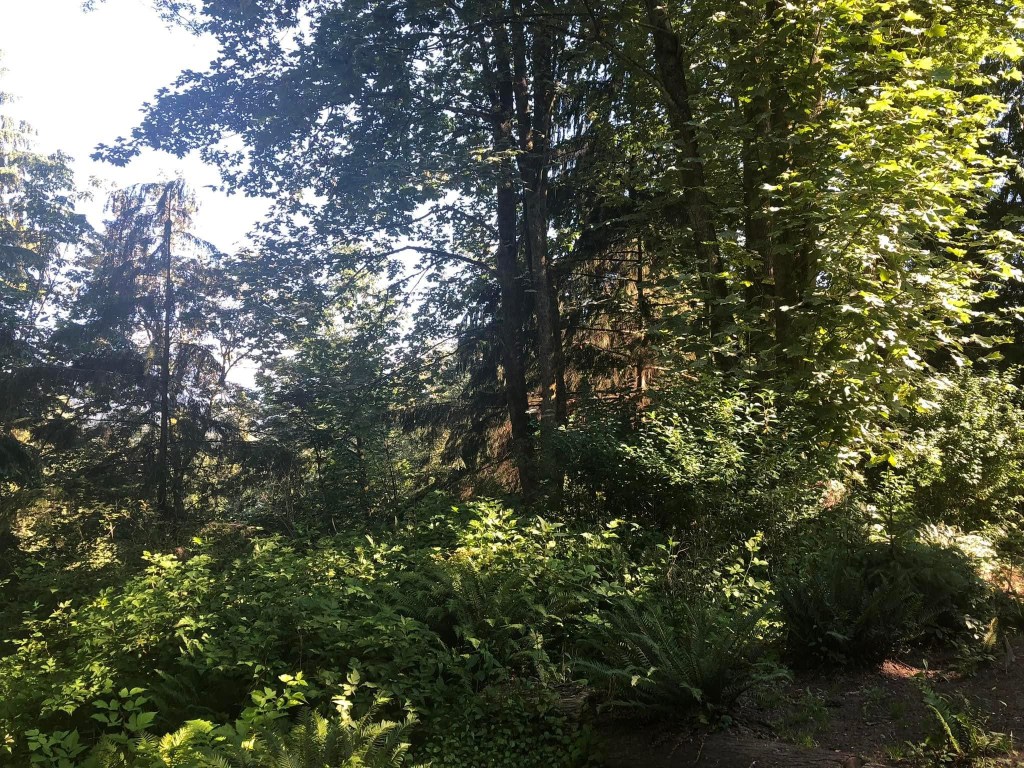
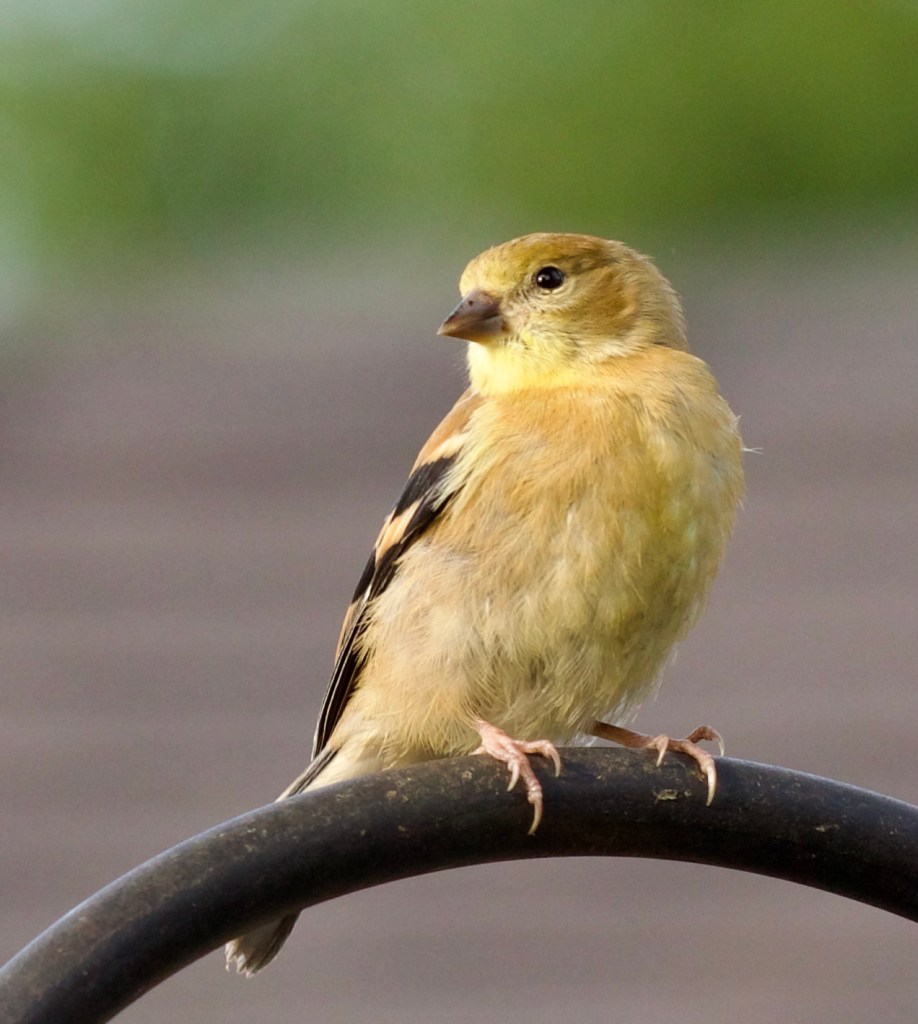
Anyway, the experiment was this. Go into the woods, on the off leash dog trail, east of Willingdon, near the Parkland tank farm. There’s a bench a couple of hundred yards in, where I sat to listen and observe. I turned on my Merlin app which started recording the bird songs in the near vicinity. It’s pretty dense forest, so seeing the birds is difficult, but hearing them is not. Over the course of a few minutes, Merlin picked up and identified 16 species within 50 yards of where I sat. Some of the migratory birds included the Black-headed Grosbeak, the American Goldfinch, Warbling Vireo, and Black-throated Gray Warbler.
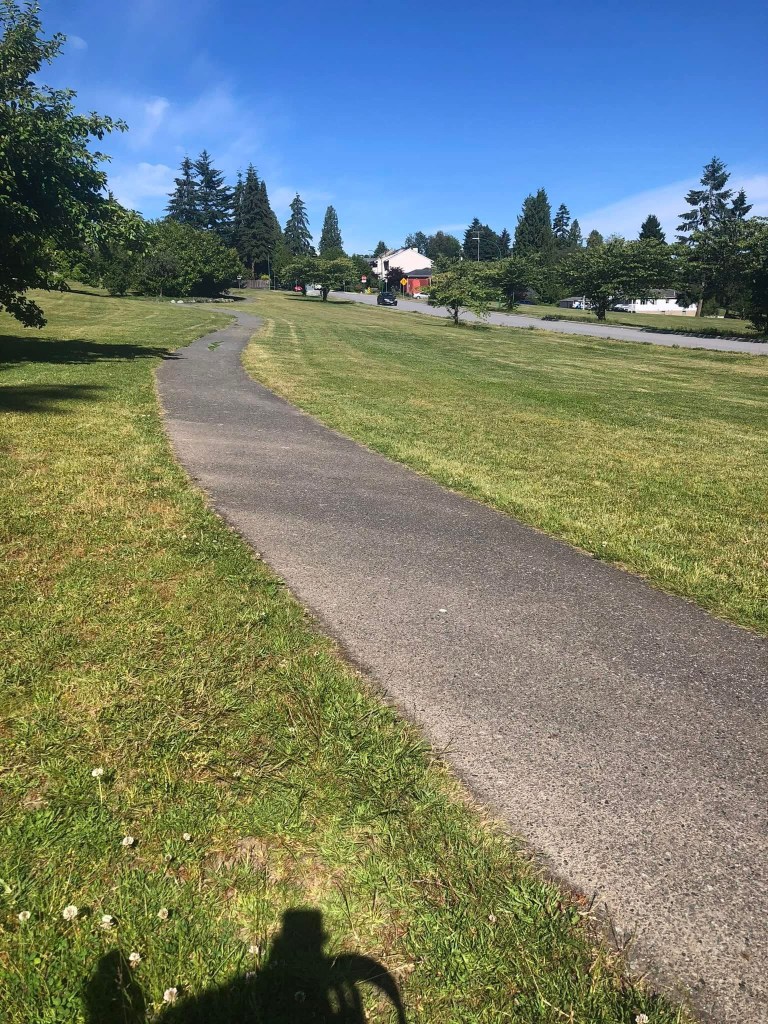
The second part of the experiment was to go to McGill Park, a block away and sit at a bench there, surrounded by acres of grass and start recording. There, Merlin picked up 5 species, one of which was the violet green Swallow, a few of which I could see in the open sky above the tank farm. When I moved to Vancouver, Swallows were common sights in the summer, primarily the violet green and barn Swallows. Fifty years later, they are very scarce. The data backs up this observation with swallow populations plummeting by 50-90% according to the species.
So the two habitats I sampled are in the accompanying photos. It doesn’t take a rocket scientist to see why the difference in biodiversity. In a more abundant environment, we get greater biodiversity. In a monoculture, very little. We have over-lawned our parks and need to rewild some of the acres of grass monoculture that we have inherited from a Victorian notion of what a park should be. We need to change that way of thinking. That’s why Wildscaping Our Neighbourhood Society was formed.
Prentice Lee
 WILDSCAPING OUR NEIGHBOURHOOD SOCIETY